Image source: www.parliament.scot
Disabled MSP Makes Heartfelt Plea for Scottish Parliament to Reject Assisted Suicide
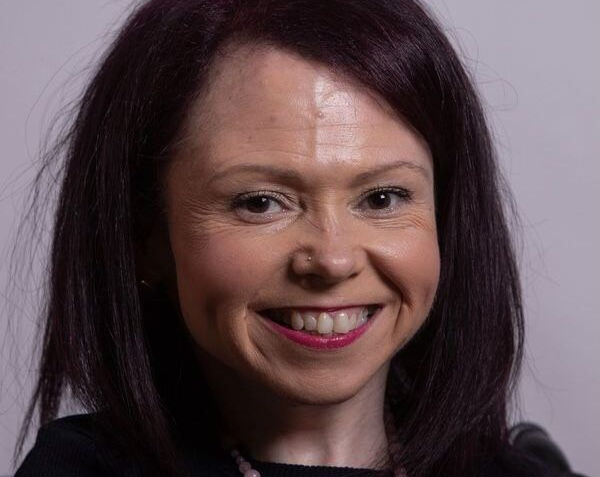
A Labour MSP has written a deeply personal letter to her parliamentary colleagues, urging them to vote against the Assisted Dying for Terminally Ill Adults (Scotland) Bill.
Pam Duncan-Glancy, an MSP for Glasgow Region, and the first permanent wheelchair user in the Scottish Parliament, said that “disabled people are under-represented in chambers”. And she believes that, should the Bill become a law, it will put sick and disabled people in danger.
“If this Bill passes, there is a real risk that, for people like me, it will be easier to access help to die than to live.”
Ms Duncan-Glancy also challenged the claim by supporters of the Bill that it is designed for terminally ill patients and excludes people with disabilities. She pointed out that under most definitions, including under the Equality Act, someone with an advanced and progressive condition from which they are unable to recover and that can reasonably be expected to cause their premature death is considered disabled.
“To say that it excludes disabled people, is not therefore the situation, which is why simply saying disabled people are excluded is neither the case, nor enough reassurance for us,” she explained.
In her letter, Pam Duncan-Glancy questioned the reliability of medical predictions regarding life expectancy, pointing out that there is no safeguard in the Bill to prevent errors in prognosis, which could lead to premature deaths.
“There is nothing in the bill to address any potential perverse incentives for the underestimation of someone’s likely lifespan, either for merciful reasons, like the patient having expressed a wish to die, or much more troubling reasons such as a shortage of hospital beds,” wrote the Labour MSP, noting that the Financial Memorandum to the Bill notes savings to the NHS.
She also raised concerns about the impact of covert coercion. “Coercion is not always easily recognisable, and its interplay with everyday ableism cannot be underestimated. For that reason, I find it hard to imagine a circumstance in which coercion, especially covert coercion, is properly safeguarded. And in this instance, the price of that would be life.”
“Without the support network I am lucky to have, someone with my conditions could easily be vulnerable to coercion, covert or otherwise, or being made to feel like a burden.”
She argued that the current attitude toward disability in society makes many feel like a burden, and this negative attitude towards disabled people could be exacerbated if assisted suicide becomes an option. She shared her worry of hearing some MPs openly stating that someone feeling like a burden (including a financial burden) is a legitimate reason to assist them in ending their life.
She described the societal attitudes towards disability that shape perceptions of suffering and dignity: “The overwhelming perception that where we need significant care and support we would be better off dead is at best deeply damaging to the perception of disability, and at worst, has resulted in people having DNAR orders wrongly put on them.”
Instead of legalising assisted dying, Pam Duncan-Glancy called for a stronger commitment to improving the lives of disabled and terminally ill people. She argued that society should be working toward better palliative care, increased financial and social support, and ensuring that people with disabilities have the resources to live with dignity.
“The answer to our pain and suffering is not to end our lives. The answer is to keep fighting to improve our lives and reduce pain and suffering by making our country better,” she stated. “Rather than legislate for assisted dying, legislate for assisted living.”