Significant Majority of Detailed Responses to Scottish Parliament Committee Oppose Assisted Suicide
A significant majority of detailed responses to the Scottish Parliament Health Committee’s call for views are opposed to assisted suicide.
Official figures released by the committee reveal that 92% of responses to the more comprehensive survey were strongly opposed to proposals to legalise assisted suicide, with only 5% strongly in favour.
The committee received a total of 21,056 responses to both its short and detailed call for views on Liam McArthur MSP’s Assisted Dying for Terminally Ill Adults (Scotland) Bill, with a total of 49% (10,380) fully supportive of the Bill, and 48% (10,120) strongly opposed. It reveals that Scotland is deeply divided on the issue with a near 50/50 split of opinion.
These results stand in stark contrast to claims by some pro-assisted suicide organisations who have said that there is “overwhelming” public support for the proposal.
The three most important factors influencing those opposed to the Bill were the risk of coercion of vulnerable groups, sanctity of life, and the risk of devaluing lives of vulnerable groups. There were also concerns that, over time, the eligibility criteria would be broadened and safeguards reduced, as has been witnessed in countries where assisted suicide and/or euthanasia is already legal, such as Canada and the Netherlands.
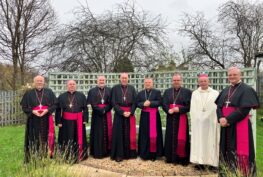
In their response to the call for views, Scotland’s Catholic bishops expressed grave concerns about the serious consequences of legal assisted suicide for the most vulnerable in society. “When the elderly and disabled express concerns about being a burden”, the bishops said, “the appropriate response is not to suggest that they have a duty to die; rather, it is to commit to meeting their needs and providing the care and compassion to help them live.”
The response also touched on the experience of other countries and states where assisted suicide and/or euthanasia is already legal, and issued a warning that, “No matter how well intentioned safeguards are, it is impossible for any government to draft assisted suicide laws which include legal protection from future expansion of those laws.”
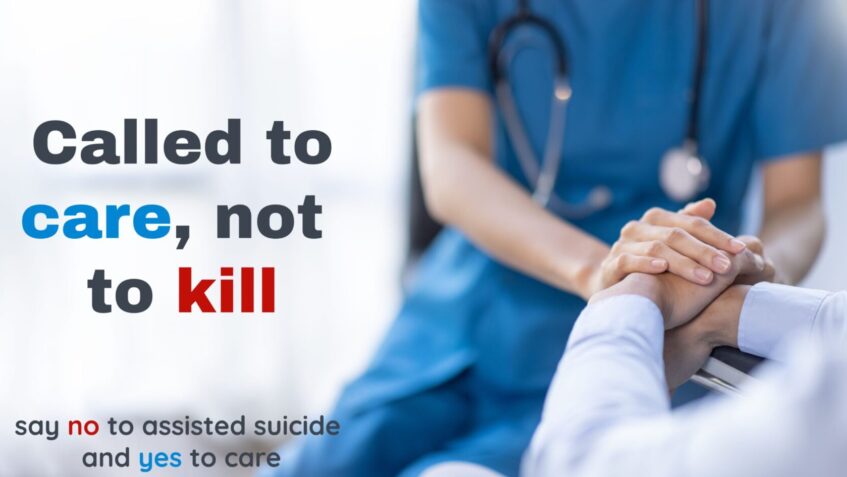
In conclusion, the bishops said that “assisted suicide undermines suicide prevention, the provision of palliative care, trust in doctors and puts pressure on vulnerable people to end their lives prematurely”, adding: “The poor and vulnerable are already struggling to live. Parliamentarians in Scotland ought to offer them care and support to live, not a concoction of drugs to die. Killing is not the solution to ill-health, poverty or any other social challenges. The state ought to support the provision of care, not deliberate killing, for those at the end of life.”
As the Scottish Parliament continues to scrutinise the proposal it is vitally important that people contact their local parliamentarians to make sure all MSPs are aware of the dangers of such a law. Please visit our online resource and guide and write to your MSPs today.